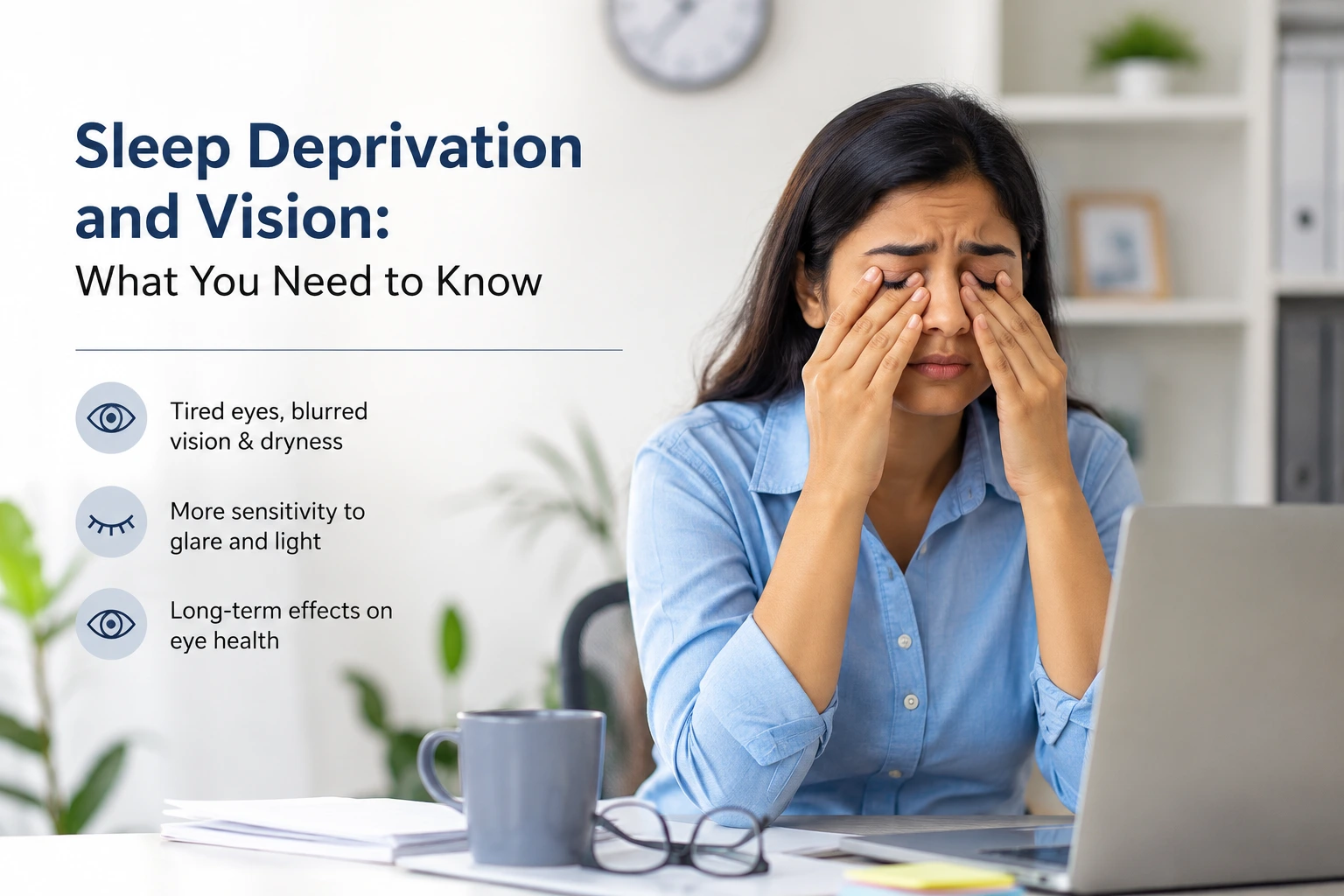
We often think of sleep as something that only affects our energy levels, mood, and memory. But did you know that a lack of sleep can seriously impact your eyes too? Blurry vision, dry eyes, twitching eyelids, and even long-term damage to your eye health can all be linked back to poor sleep habits. If you’ve been waking up with red, irritated eyes or struggling to focus on your screen by midday, sleep deprivation might be the hidden culprit.
In this blog, we break down exactly how sleep and vision are connected, what symptoms to watch for, and when it’s time to see a specialist. According to Dr. Ramesh Murthy, a well-known name in Ophthalmology in Pune, most patients don’t realize their eye discomfort is tied to their sleep patterns until it starts affecting their daily life.
How Sleep and Eye Health Are Connected
Your eyes need rest just as much as the rest of your body does. During sleep, your eyes are lubricated, oxygenated, and given a break from constant focusing and blinking. When you don’t get enough sleep, this restorative process is interrupted, leading to a range of visual and ocular issues.
Here’s what happens inside your eyes when you’re sleep-deprived:
- Reduced tear production, leading to dryness and irritation
- Increased eye strain, since tired eyes work harder to focus
- Poor blood circulation around the eyes, causing puffiness and dark circles
- Weakened eye muscle coordination, which can cause blurry or double vision
- Delayed reflexes, affecting how quickly your eyes adjust to light changes
Over time, chronic sleep deprivation doesn’t just cause temporary discomfort — it can contribute to more serious, long-term eye conditions.
Common Vision Problems Caused by Lack of Sleep
1. Eye Strain and Fatigue
One of the earliest signs of sleep deprivation is eye strain. Your eyes feel heavy, achy, or sore, especially after screen use. This happens because tired eye muscles have to work overtime to maintain focus.
2. Dry Eye Syndrome
Sleep helps replenish the tear film that keeps your eyes moist. Without adequate rest, tear production drops, resulting in a gritty, burning sensation and increased sensitivity to light
3. Eyelid Twitching (Myokymia)
Involuntary eyelid twitching is a classic symptom of exhaustion. While usually harmless, frequent or prolonged twitching can be disruptive and is often a signal that your body needs more rest.
4. Blurred or Double Vision
Fatigued eye muscles struggle to coordinate properly, which can cause temporary blurriness or double vision, particularly when reading or driving.
5. Increased Risk of Eye Infections
Sleep is essential for a healthy immune system. Chronic sleep loss weakens your body’s defenses, making your eyes more susceptible to infections such as conjunctivitis.
6. Higher Risk of Serious Conditions
Some research links long-term sleep deprivation to an increased risk of glaucoma, due to elevated eye pressure during sleep-deprived states, as well as anterior ischemic optic neuropathy in severe cases. This is why persistent symptoms should never be ignored.
Search Intent: Why People Look This Up
Most people searching for information on sleep and vision fall into a few categories:
- Individuals experiencing unexplained blurry vision or eye strain
- Shift workers or students with irregular sleep schedules
- Parents noticing eye discomfort in sleep-deprived children
- Patients wanting to know when eye symptoms require professional attention
Understanding this intent helps us address the real question: “Is my vision problem serious, or is it just because I’m tired?” The honest answer is — it depends, and that’s exactly why professional evaluation matters.
Who Is Most at Risk?
- Night shift workers with disrupted circadian rhythms
- Students pulling all-nighters before exams
- New parents running on interrupted sleep
- Frequent travelers dealing with jet lag
- Heavy screen users who combine late-night device use with poor sleep
If you fall into any of these categories, it’s worth paying closer attention to how your eyes feel each morning.
Tips to Protect Your Vision While Improving Sleep
1. Maintain a consistent sleep schedule — aim for 7–8 hours nightly2. Reduce screen time before bed, especially blue-light exposure from phones and laptops
3. Use artificial tears if you wake up with dry, irritated eyes
4. Practice the 20-20-20 rule during the day — every 20 minutes, look at something 20 feet away for 20 seconds
5. Keep your bedroom dark and cool to support deeper, uninterrupted sleep
6. Avoid caffeine late in the day, as it can delay sleep onset and reduce sleep quality
7. Get a comprehensive eye check-up if symptoms persist despite better sleep habits
When Should You See an Eye Specialist?
Occasional tiredness is normal, but you should book an appointment if you experience:
- Blurry vision that doesn’t improve after resting
- Persistent eye pain or redness
- Frequent headaches linked to eye strain
- Sudden changes in vision
- Eyelid twitching lasting more than a few days
At Axis Eye Clinic, our team, led by Dr. Ramesh Murthy, specializes in diagnosing the root cause of vision discomfort — whether it stems from lifestyle factors like sleep or an underlying eye condition. As the Best Eye Clinic in Pune, we combine advanced diagnostics with a patient-first approach to ensure you get accurate answers, not guesswork.
Why Choose Axis Eye Clinic?
Finding the right specialist matters, especially when your vision health is at stake. Here’s why patients across the city trust us:Comprehensive eye evaluations using advanced diagnostic technology
Personalized treatment plans based on your lifestyle and symptoms
Transparent communication about your eye health at every step
A team recognized among the Best Ophthalmologists Near Me in Pune
Whether it’s simple eye strain from poor sleep or a more complex condition, our specialists take the time to understand your concerns thoroughly.
Expertise in Cataract Care
Beyond general eye health, Axis Eye Clinic is also known for advanced cataract diagnosis and treatment. Patients searching for the Best Cataract Surgery Doctors in Pune consistently choose our clinic for precision, safety, and consistent results, with Dr. Ramesh Murthy regarded as the Best Cataract Surgeon in Pune by many long-time patients.
If you’re looking for a trusted Eye Clinic Near Me, our conveniently located facility makes it easy to get expert care without long waits or complicated referrals. For anyone researching the Best Eye Specialist in Pune, our clinic offers the experience and technology needed for accurate diagnosis and effective treatment.
Frequently Asked Questions (FAQs)
Q1: Can lack of sleep permanently damage my eyes?
Occasional sleep deprivation typically causes temporary symptoms like dryness and strain. However, chronic, long-term sleep loss may contribute to more serious eye conditions over time, so it’s best not to ignore persistent symptoms.
Q2: How many hours of sleep do my eyes need to stay healthy?
Most adults need 7–8 hours of quality sleep per night to allow the eyes to rest, rehydrate, and repair properly.
Q3: Why do my eyes twitch when I’m tired?
Eyelid twitching, or myokymia, is often triggered by fatigue, stress, and excessive screen use. It’s usually harmless but can indicate your body needs more rest.
Q4: Is blurry vision from tiredness a sign of a bigger problem?
Not always, but if blurry vision persists even after adequate rest, it’s important to get a professional eye examination to rule out underlying conditions.
Q5: Can improving my sleep reduce the need for glasses?
Better sleep won’t correct refractive errors like nearsightedness, but it can significantly reduce eye strain-related blurriness and general visual discomfort.
Q6: When should I visit an eye specialist for sleep-related eye issues? If symptoms like dryness, blurriness, or twitching persist for more than a few days despite improved sleep, it’s time to consult a specialist for a thorough evaluation.
Take the First Step Toward Healthier Eyes
Your eyes work hard every day — give them the rest and care they deserve. If sleep-related eye discomfort has been affecting your daily life, don’t wait for it to get worse.
Book a consultation with Dr. Ramesh Murthy at Axis Eye Clinic today and get expert guidance tailored to your eye health needs. Our specialists are here to help you see clearly, sleep better, and live comfortably.
Call us now or visit Axis Eye Clinic to schedule your appointment.