Explaining medical reports in simple language is one of the most important parts of patient care. Cataract grading results can often sound technical and confusing to patients, leading to anxiety or delayed treatment decisions. At Axis Eye Clinic, Dr. Ramesh Murthy focuses on clear communication so patients understand their condition and feel confident about the next steps.
This guide explains how cataract grading can be discussed in an easy, patient-friendly way while maintaining medical accuracy.
Before discussing grading, it helps to reassure patients that cataracts are common and highly treatable with modern eye care.
• Assess the severity of the cataract
• Track progression over time
• Decide when surgery is recommended
At Axis Eye Clinic, cataract grading allows Dr. Ramesh Murthy to personalize treatment plans based on each patient’s vision needs and lifestyle.
• Mild cloudiness
• Vision usually manageable with glasses
• Regular monitoring is advised
Patients should be reassured that surgery is not needed at this stage.
Grade 2: Moderate Cataract
• Noticeable blur and glare
• Daily activities may start becoming difficult
• Lifestyle adjustments and closer follow-up required
This is often when patients begin asking about future treatment options.
Grade 3: Advanced Cataract
• Significant vision impairment
• Difficulty with driving, reading, or recognizing faces
• Surgery is commonly recommended
Clear explanation at this stage helps patients mentally prepare for treatment.
Grade 4: Mature Cataract
• Lens becomes very dense and opaque
• Vision is severely reduced
• Surgery is essential to restore sight
At this level, reassurance about safety and outcomes is crucial.
Doctors may compare the lens to a clear window becoming foggy over time. This visual analogy makes grading easier to understand.
Showing Diagnostic Images
Sharing slit-lamp photos or diagrams helps patients see the cloudiness themselves, increasing trust and clarity.
Linking Grades to Daily Life
Explaining how each grade affects reading, driving, or screen use helps patients relate medical terms to real experiences.
• Impact on daily activities
• Patient’s occupation and lifestyle
• Overall eye health
Patients looking for the Best Cataract Surgeon in Pune often value clear explanations about when surgery becomes beneficial rather than feeling rushed.
• Reduces fear and myths around surgery
• Improves treatment compliance
• Builds long-term doctor–patient trust
Many patients searching for an Eye Clinic near me appreciate doctors who take time to explain reports instead of using complex jargon.
Patients visiting a reputed Eye hospital in kothrud benefit from structured counseling, modern equipment, and transparent treatment discussions.
For those searching for a reliable Cataract Surgeon near me, understanding grading is the first step toward clearer vision and a better quality of life.
This guide explains how cataract grading can be discussed in an easy, patient-friendly way while maintaining medical accuracy.
Understanding Cataracts in Simple Terms
A cataract occurs when the natural lens of the eye becomes cloudy, affecting vision. Patients may notice blurred vision, glare from lights, dull colors, or difficulty seeing at night. Cataracts usually develop slowly and are commonly related to aging, though diabetes, injury, medications, and lifestyle factors can also contribute.Before discussing grading, it helps to reassure patients that cataracts are common and highly treatable with modern eye care.
What Is Cataract Grading?
Cataract grading is a clinical method used to measure how cloudy the eye’s lens has become. It helps doctors:• Assess the severity of the cataract
• Track progression over time
• Decide when surgery is recommended
At Axis Eye Clinic, cataract grading allows Dr. Ramesh Murthy to personalize treatment plans based on each patient’s vision needs and lifestyle.
Types of Cataracts Explained to Patients
Nuclear Cataract
This affects the center of the lens and is common with aging. Patients may notice gradual blurring or a yellowish tint to vision.Cortical Cataract
This forms at the edges of the lens and can cause glare, halos, or difficulty with contrast, especially while driving at night.Posterior Subcapsular Cataract
This develops at the back of the lens and can affect reading vision and light sensitivity even at an early stage. Explaining the type helps patients understand why they experience specific symptoms.Cataract Grading Levels in Patient-Friendly Language
Grade 1: Early Cataract• Mild cloudiness
• Vision usually manageable with glasses
• Regular monitoring is advised
Patients should be reassured that surgery is not needed at this stage.
Grade 2: Moderate Cataract
• Noticeable blur and glare
• Daily activities may start becoming difficult
• Lifestyle adjustments and closer follow-up required
This is often when patients begin asking about future treatment options.
Grade 3: Advanced Cataract
• Significant vision impairment
• Difficulty with driving, reading, or recognizing faces
• Surgery is commonly recommended
Clear explanation at this stage helps patients mentally prepare for treatment.
Grade 4: Mature Cataract
• Lens becomes very dense and opaque
• Vision is severely reduced
• Surgery is essential to restore sight
At this level, reassurance about safety and outcomes is crucial.
How Doctors Communicate Cataract Grading Clearly
Using Simple ComparisonsDoctors may compare the lens to a clear window becoming foggy over time. This visual analogy makes grading easier to understand.
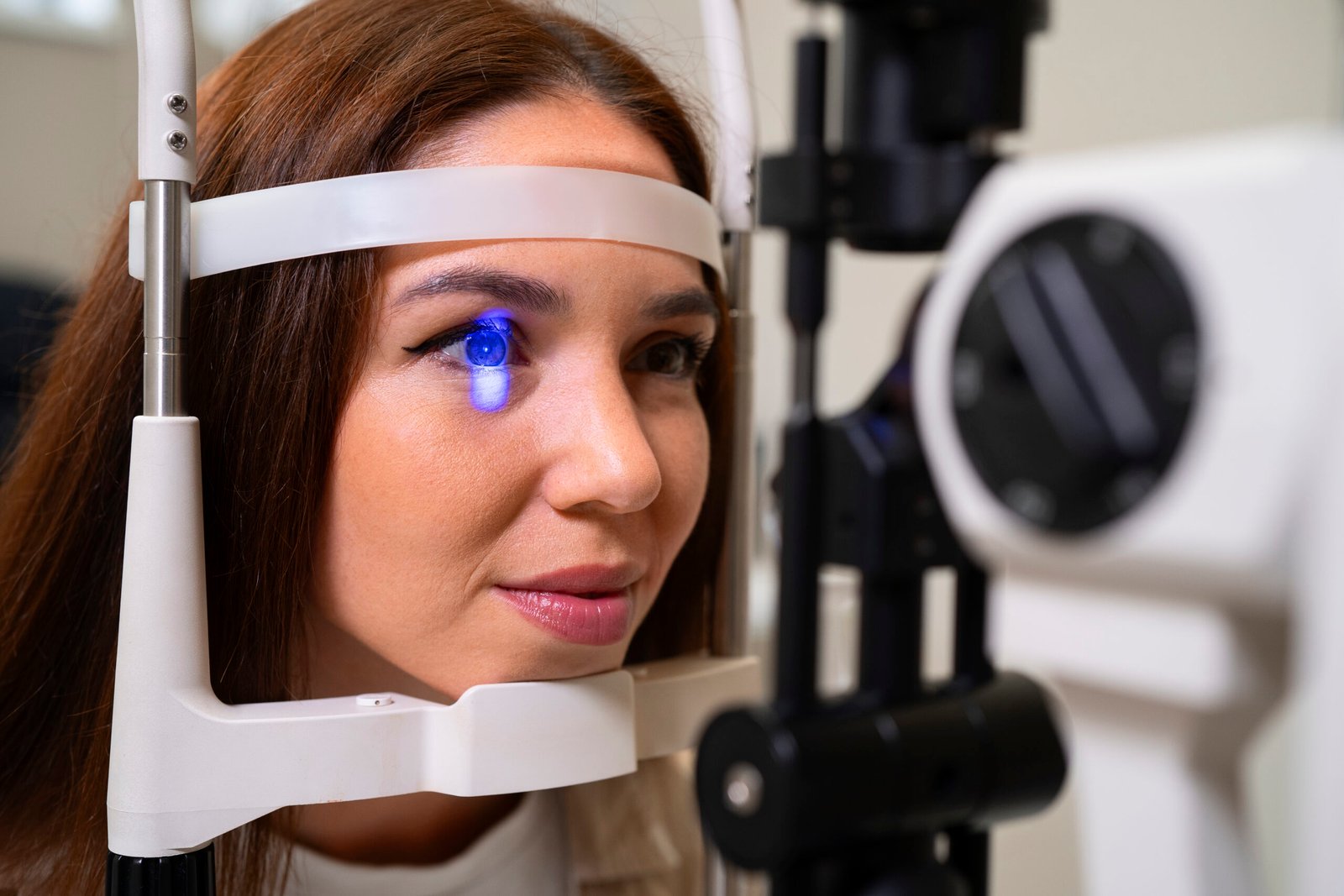
Showing Diagnostic Images
Sharing slit-lamp photos or diagrams helps patients see the cloudiness themselves, increasing trust and clarity.
Linking Grades to Daily Life
Explaining how each grade affects reading, driving, or screen use helps patients relate medical terms to real experiences.
When Cataract Surgery Is Discussed
Cataract grading alone does not decide surgery timing. Doctors also consider:• Impact on daily activities
• Patient’s occupation and lifestyle
• Overall eye health
Patients looking for the Best Cataract Surgeon in Pune often value clear explanations about when surgery becomes beneficial rather than feeling rushed.
Why Patient Education Matters
Proper explanation:• Reduces fear and myths around surgery
• Improves treatment compliance
• Builds long-term doctor–patient trust
Many patients searching for an Eye Clinic near me appreciate doctors who take time to explain reports instead of using complex jargon.
Choosing the Right Eye Care Provider
An experienced eye specialist ensures that cataract grading is not just a number, but a meaningful guide to better vision. Known as the Best Eye Specialist in Pune, Dr. Ramesh Murthy emphasizes patient education, advanced diagnostics, and personalized care.Patients visiting a reputed Eye hospital in kothrud benefit from structured counseling, modern equipment, and transparent treatment discussions.
Common Patient Questions About Cataract Grading
Is a higher grade dangerous?
A higher grade means more clouding, not danger. Timely surgery can safely restore vision.Can cataracts be reversed without surgery?
No, cataracts cannot be reversed with medicines. Early grades are monitored, while advanced grades need surgery.How often should grading be checked?
This depends on the grade and symptoms, but regular eye exams are essential for timely care.Final Thoughts
Explaining cataract grading results in a simple, compassionate way empowers patients to make informed decisions about their eye health. With expert guidance from Dr. Ramesh Murthy at Axis Eye Clinic, patients receive clarity, confidence, and world-class eye care under one roof.For those searching for a reliable Cataract Surgeon near me, understanding grading is the first step toward clearer vision and a better quality of life.