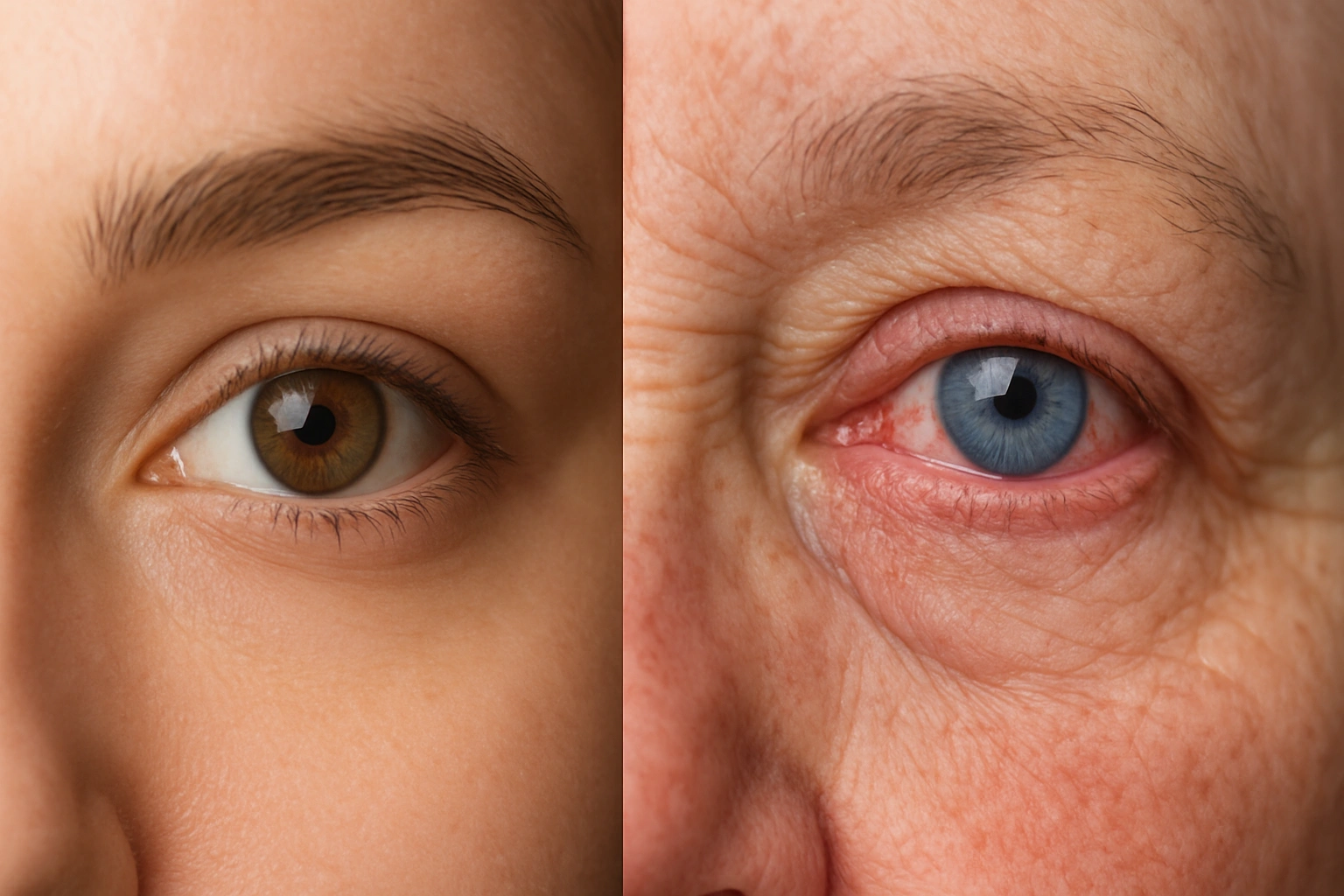
Why Is It Important to Understand the Difference Between Normal Visual Changes and Eye Complications?
Vision naturally changes over time due to aging, lifestyle habits, or environmental exposure. While some shifts—like mild blurriness after long screen use—are normal, others may signal underlying problems. Knowing the difference helps you decide when to seek professional care. Many people consult specialists like Dr. Ramesh Murthy at Axis Eye Clinic or search for the Best Eye Clinic In Pune to ensure their eyes are healthy. Early awareness and timely diagnosis can prevent serious complications and preserve long-term vision.What Are Considered Normal Age-Related Vision Changes?
As we age, several natural visual changes occur:Presbyopia: Difficulty seeing up close, especially after age 40.
Reduced visual sharpness: Letters and details may not appear as crisp.
Decreased tear production: Causing dry eyes, irritation, or burning sensations.
Changes in color perception: Colors may appear slightly faded or dull.
These age-related changes usually develop gradually and can often be corrected with glasses or lifestyle adjustments. However, regular eye exams help ensure these changes aren’t masking deeper issues.
How Do Environmental Factors Affect Vision?
Environmental influences can cause temporary or long-term visual discomfort. Key factors include:Excessive screen time: Leading to digital eye strain, blurred vision, and headaches.
UV exposure: Improper sun protection contributes to cataracts and macular degeneration.
Poor air quality: Dust, pollution, and allergens can irritate the eyes and worsen dryness.
Low humidity: Dry indoor environments reduce tear moisture, worsening eye discomfort.
Incorporating good habits—such as following the 20-20-20 rule and wearing UV-protective sunglasses—helps maintain long-term eye comfort.
What Eye Conditions Should You Be Aware of That May Indicate Complications?
Several serious eye conditions may cause symptoms that should not be ignored:Glaucoma: Known as the “silent thief of sight,” often causes no early warning signs but leads to peripheral vision loss.
Cataracts: Clouding of the eye lens causing blurred or night vision difficulties.
Diabetic Retinopathy: A diabetes-related complication resulting in fluctuating or blurred vision.
Macular Degeneration: Affects central vision, making reading and recognizing faces difficult.
Early detection is critical. Many patients rely on experienced specialists like the Best Eye Specialist in Pune to identify these conditions quickly.
What Symptoms Suggest That Your Visual Changes May Be Serious?
Pay close attention to the following warning signs:1. Sudden vision loss or severe blurriness
2. Flashes of light or an increase in floaters (may indicate retinal detachment)
3. Persistent headaches tied to visual strain
4. Painful redness in the eye
5. Difficulty seeing at night
6. Distorted or wavy straight lines (possible sign of macular issues)
7. Abrupt changes in color perception
If you notice any of these symptoms, immediate evaluation is recommended.
What Tips Can Help You Maintain Healthy Vision?
Simple daily habits can protect your eyesight:Eat nutrient-rich foods:Leafy greens, fish, and carrots support eye health.
Stay hydrated: Helps maintain proper tear production.
Limit screen exposure: Take frequent breaks using the 20-20-20 rule.
Wear sunglasses: Protect your eyes from harmful UV rays.
Do basic eye exercises: Focus-shifting exercises relieve strain.
Attend regular check-ups: A visit to specialists like Dr. Ramesh Murthy at Axis Eye Clinic ensures early detection of issues.
A proactive approach helps prevent complications before they become severe.