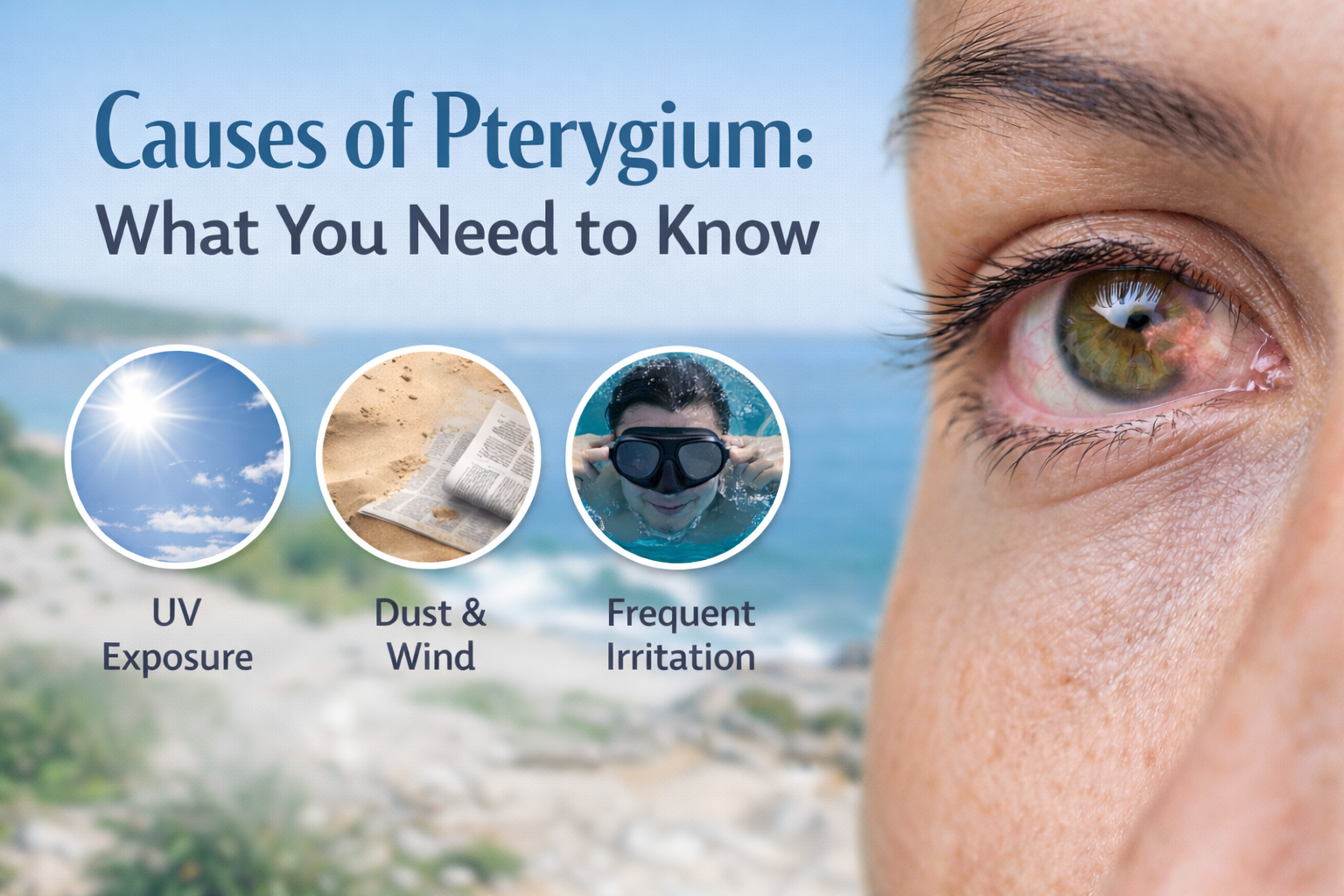
Pterygium may not be a familiar term to everyone, but for those affected, it can significantly impact comfort and vision. This benign growth of tissue on the surface of the eye can lead to irritation, redness, and even blurred vision if left untreated. Understanding what pterygium is, along with its causes and risk factors, is crucial for maintaining healthy eyes. Whether you spend long hours outdoors or in front of screens, knowing about pterygium can help you protect your eyesight.
For expert guidance and personalized care, consult Dr. Ramesh Murthy at Axis Eye Clinic, one of the Best Eye Clinic In Pune.
Common symptoms include:
• Redness and eye irritation
• Feeling like something is stuck in the eye
• Blurred vision if the growth extends onto the cornea
• Discomfort affecting daily activities in severe cases
Early consultation with a Best Eye Specialist in Pune can help manage symptoms and prevent complications.
• Age: More common in adults over 20 years
• Geography: Higher incidence in sunny, tropical regions due to increased UV exposure
• Occupational Hazards: Outdoor workers like farmers and construction workers face greater risks
• Eye Conditions: Chronic dry eyes or irritation from dust and wind
Knowing your personal risk allows for early preventive measures. Visiting a reliable Eye Clinic Near me for regular check-ups is recommended.
A. Exposure to UV Rays
Prolonged exposure to ultraviolet (UV) rays can damage delicate eye tissues and trigger abnormal tissue growth. People who spend long hours outdoors without protective eyewear are at higher risk.
Prevention Tips:
• Wear sunglasses that block 100% UVA and UVB rays
• Use a wide-brimmed hat for extra protection
• Remember that UV rays can penetrate clouds, so protection is needed even on cloudy days
B. Dry and Windy Conditions
Dry air and wind irritate the eyes and reduce moisture levels, creating an environment conducive to pterygium formation. Dust and debris carried by wind worsen the irritation.
Prevention Tips:
• Wear protective eyewear or wrap-around sunglasses
• Use lubricating eye drops to maintain moisture
• Regularly visit an experienced Best Eye Hospital In Pune for monitoring
Smoking introduces harmful toxins to the eye, causing irritation and inflammation, which may increase the risk of pterygium. Quitting smoking protects overall health and helps maintain clear vision.
B. Poor Nutrition
A diet lacking essential nutrients, particularly antioxidants like vitamins A, C, and E, reduces the eye’s ability to fight environmental stressors. Proper hydration is also vital to prevent dry eyes. Include leafy greens, nuts, fish, and fruits in your diet to support healthy eyes.
• Wear UV-blocking sunglasses and a wide-brimmed hat outdoors
• Take regular breaks from sun exposure
• Use artificial tears to keep eyes moist
• Avoid smoking and maintain a balanced diet
Treatment Options:
• Mild cases: Regular monitoring and lubricating eye drops
• Severe cases: Surgical removal by an experienced specialist
For personalized care, consult Dr. Ramesh Murthy at Axis Eye Clinic, regarded as one of the Best Eye Specialist in Pune. Whether you are seeking advice on prevention or treatment, expert care ensures the best outcomes.
For expert guidance and personalized care, consult Dr. Ramesh Murthy at Axis Eye Clinic, one of the Best Eye Clinic In Pune.
What is Pterygium and Its Symptoms?
Pterygium is a growth of tissue on the conjunctiva, the clear membrane covering the white part of the eye. Its wing-like shape gives it its name, derived from the Greek word “pteryx,” meaning wing.Common symptoms include:
• Redness and eye irritation
• Feeling like something is stuck in the eye
• Blurred vision if the growth extends onto the cornea
• Discomfort affecting daily activities in severe cases
Early consultation with a Best Eye Specialist in Pune can help manage symptoms and prevent complications.
Risk Factors for Developing Pterygium
Certain individuals are more prone to developing pterygium due to specific risk factors:• Age: More common in adults over 20 years
• Geography: Higher incidence in sunny, tropical regions due to increased UV exposure
• Occupational Hazards: Outdoor workers like farmers and construction workers face greater risks
• Eye Conditions: Chronic dry eyes or irritation from dust and wind
Knowing your personal risk allows for early preventive measures. Visiting a reliable Eye Clinic Near me for regular check-ups is recommended.
Environmental Causes of Pterygium
Environmental factors play a major role in pterygium development:A. Exposure to UV Rays
Prolonged exposure to ultraviolet (UV) rays can damage delicate eye tissues and trigger abnormal tissue growth. People who spend long hours outdoors without protective eyewear are at higher risk.
Prevention Tips:
• Wear sunglasses that block 100% UVA and UVB rays
• Use a wide-brimmed hat for extra protection
• Remember that UV rays can penetrate clouds, so protection is needed even on cloudy days
B. Dry and Windy Conditions
Dry air and wind irritate the eyes and reduce moisture levels, creating an environment conducive to pterygium formation. Dust and debris carried by wind worsen the irritation.
Prevention Tips:
• Wear protective eyewear or wrap-around sunglasses
• Use lubricating eye drops to maintain moisture
• Regularly visit an experienced Best Eye Hospital In Pune for monitoring
Genetics and Family History
Genetics can increase susceptibility to pterygium. If multiple family members have the condition, your risk is higher. Inherited traits may influence how your eyes react to UV exposure, dry climates, or environmental irritants. Regular check-ups with specialists like Dr. Ramesh Murthy at Axis Eye Clinic are essential for early detection and proactive care.Lifestyle Factors Contributing to Pterygium
A. SmokingSmoking introduces harmful toxins to the eye, causing irritation and inflammation, which may increase the risk of pterygium. Quitting smoking protects overall health and helps maintain clear vision.
B. Poor Nutrition
A diet lacking essential nutrients, particularly antioxidants like vitamins A, C, and E, reduces the eye’s ability to fight environmental stressors. Proper hydration is also vital to prevent dry eyes. Include leafy greens, nuts, fish, and fruits in your diet to support healthy eyes.
Prevention and Treatment
Preventive Measures:• Wear UV-blocking sunglasses and a wide-brimmed hat outdoors
• Take regular breaks from sun exposure
• Use artificial tears to keep eyes moist
• Avoid smoking and maintain a balanced diet
Treatment Options:
• Mild cases: Regular monitoring and lubricating eye drops
• Severe cases: Surgical removal by an experienced specialist
For personalized care, consult Dr. Ramesh Murthy at Axis Eye Clinic, regarded as one of the Best Eye Specialist in Pune. Whether you are seeking advice on prevention or treatment, expert care ensures the best outcomes.