
A cataract, also known as Motibindu, occurs when the natural lens of the eye becomes cloudy. If you are looking for the Best Cataract Surgeon in Pune, timely diagnosis and expert treatment are essential. Cataracts are most commonly seen in older individuals and can gradually affect daily activities such as reading, driving, and recognizing faces.
In the early stages, cataracts may not cause noticeable vision problems. However, as the condition progresses, vision can become blurred, foggy, or dull, and colors may appear faded. Daily activities such as reading, driving, or recognizing faces may become increasingly difficult.
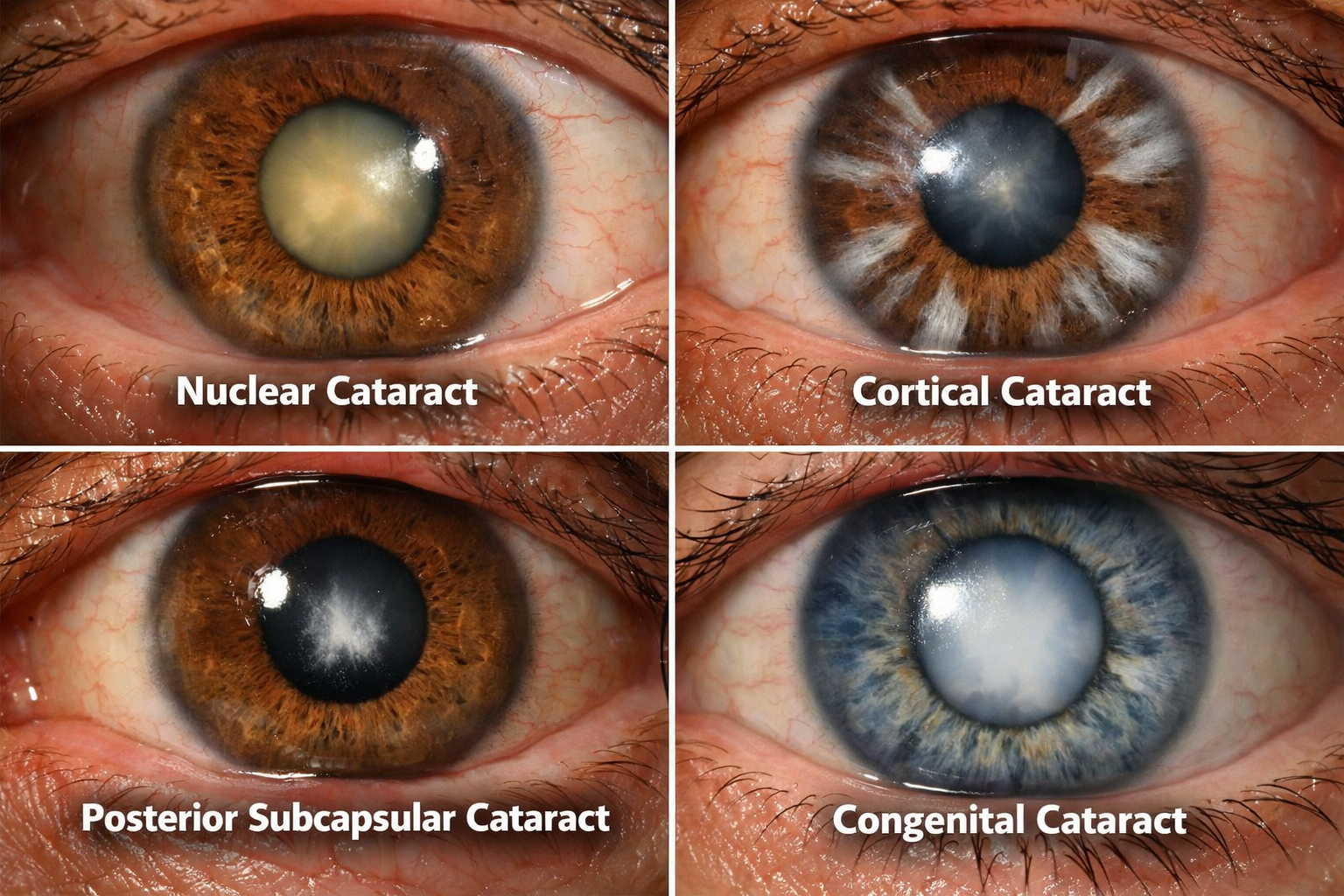
Cataracts can develop due to aging, medical conditions, eye injuries, or even from birth. Understanding the different types of cataract helps in early diagnosis and choosing the right treatment approach.
This is the most common type of cataract and usually develops gradually with age. As the eye’s natural lens changes over time, it becomes cloudy, leading to blurred or dull vision. Regular eye check-ups help detect age-related cataracts early.
Congenital cataracts are present at birth or appear during early childhood. They may be caused by genetic factors, infections during pregnancy, or developmental issues. Early treatment is important to support normal visual development in children.
A traumatic cataract occurs after an eye injury. The lens may become cloudy immediately after trauma or gradually over months or years. Injuries from accidents, sports, or sharp objects can lead to this type of cataract.
Secondary cataracts develop due to other medical conditions such as diabetes, long-term steroid use, or following eye surgeries like glaucoma treatment. Though common, this condition is manageable with proper ophthalmic care.
In the early stages, a new prescription for eyeglasses or contact lenses may help improve vision affected by a cataract. However, surgery is the only permanent solution to remove a cataract. Your doctor may recommend cataract surgery when the condition begins to interfere with daily activities such as reading, driving, or watching television. When evaluated by a Cataract Specialist in Pune, timely surgical intervention can help prevent further vision loss. During the procedure, the cloudy natural lens is removed and replaced with a clear artificial lens, known as an intraocular lens (IOL), to restore clear vision.
Axis Eye Clinic is widely recognized as one of the Best Eye Clinics in Pune, offering advanced cataract surgery with exceptional precision and care. The clinic is equipped with:
This cutting-edge technology ensures safe surgery and excellent visual outcomes, making Axis Eye Clinic a trusted choice for cataract treatment.
Your eye doctor may recommend cataract surgery if reduced vision starts to interfere with everyday activities such as reading, driving, or watching television. In some cases, surgery may be advised even if the cataract is not the primary cause of vision loss. For example, removing the cataract may be necessary so the doctor can clearly examine the back of the eye to diagnose or manage other conditions like diabetic retinopathy or age-related macular degeneration (AMD).
If cataracts are present in both eyes, surgery is performed separately on each eye, usually at different times, to ensure safe healing and optimal visual outcomes.
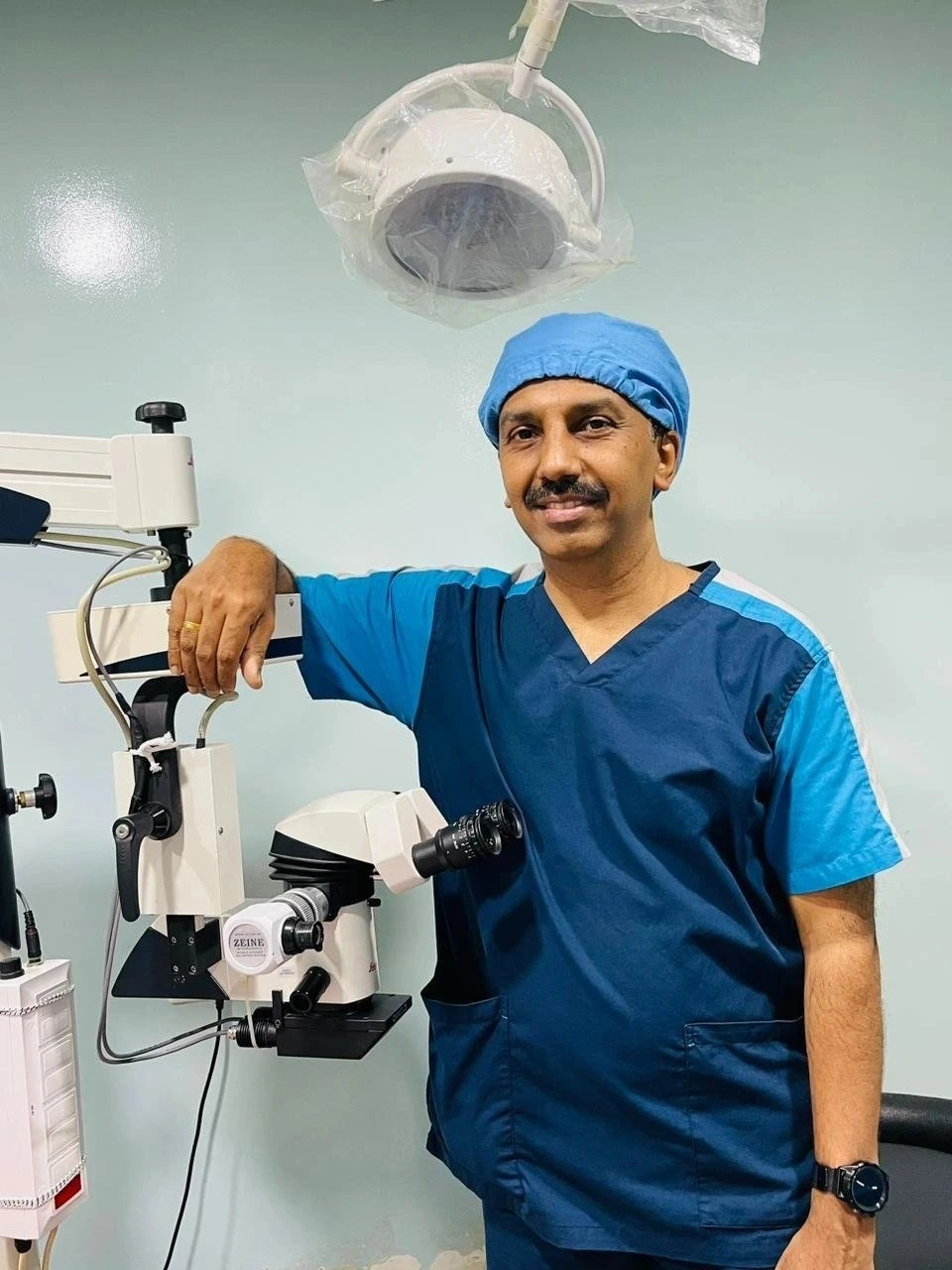
Apart from his surgical excellence, Dr. Murthy has trained numerous postgraduate students across India in cataract surgery. His deep knowledge and practical expertise make him a respected authority in eye care.
Axis Eye Clinic is dedicated not just to removing cataracts but to improving overall vision and quality of life. With:
the clinic stands out as one of the Best Eye Clinics in Kothrud and Pune.
Before discussing cataract (motiyabind) treatment, it’s important to understand the condition itself. A cataract occurs when the normally clear lens of the eye becomes cloudy. Although surgery is the only definitive cure, it may not be required immediately, especially in the early stages. Here are some common ways to manage or treat cataract symptoms:
Updated Glasses or Contact Lenses: A new prescription can improve vision during the early stages of cataract development.
Home Management: While consulting an ophthalmologist is essential, certain adjustments can help manage symptoms temporarily:
Use brighter lighting at home or work
Try magnifying lenses for reading and close-up tasks
Wear anti-glare sunglasses to reduce light sensitivity
Surgery: If cataracts begin interfering with daily activities such as reading, driving, or watching TV, your doctor may recommend cataract surgery. During the procedure, the cloudy natural lens is replaced with a clear artificial intraocular lens (IOL).
Cataracts commonly develop due to aging or injury, both of which can alter the tissues that make up the eye’s lens. As the lens proteins and fibers break down, they begin to clump together, resulting in cloudy or blurred vision.
Genetic factors and inherited conditions may also increase the risk of cataract formation. Additionally, certain health and eye-related issues—such as diabetes, previous eye surgeries, long-term steroid use, or exposure to strong medications—can contribute to the development of cataracts.
It is always better to address cataracts in their early stages, as they progressively worsen and can significantly impair vision over time. Delaying treatment for too long may cause the cataract to become hyper-mature, making it denser and more difficult to remove, which can increase the risk of surgical complications.
For this reason, it’s important to consult an ophthalmologist as soon as you notice cataract symptoms. Early evaluation and timely surgery ensure a safer procedure and more effective visual recovery.
The cataract is removed by breaking it into small pieces by the process of phacoemulsification where ultrasound energy is used to break the cataract and this is then aspirated by using vacuum and fluid. Hence there is no need for a large cut in the eye and we can operate using a micro incision.
The cost of cataract surgery varies depending on your insurance coverage and the type of intraocular lens (IOL) you choose. While most insurance plans cover standard cataract surgery, certain premium lens options may involve additional charges.
For an accurate cost estimate tailored to your needs, we recommend contacting us by phone or email to schedule a consultation.
Cataracts can occur in one or both eyes, but they don’t always develop at the same time. While many people eventually experience cataracts in both eyes, one eye may be affected earlier, and the rate of progression can differ between the two.
Cataracts are mainly classified into three types: nuclear sclerotic, cortical, and posterior subcapsular.
Nuclear Sclerotic Cataracts: The most common type, caused by gradual hardening and yellowing of the lens center (nucleus). It may briefly improve near vision but worsens over time.
Cortical Cataracts: Develop in the lens cortex and progress inward. They often cause glare, blurred vision, and depth-perception issues. Diabetic patients are more prone to this type.
Posterior Subcapsular Cataracts: Form at the back of the lens and significantly affect reading and night vision. They progress faster than other types.
Traditional cataract surgery involves the creation of a large wound through which the cataract is removed. In laser cataract surgery laser is used to break down the lens and then removed through a minute incision.
Yes. Eating foods that contain healthy vitamins C and E and lutein, zeaxanthin may reduce the risk of cataract progression naturally.
Post-operative care for cataract surgery involves following specific guidelines to promote healing and reduce the risk of complications.
Don't forget to consult your ophthalmologist or eye surgeon for specific post-operative care instructions tailored to your individual needs.
Cataract surgery is an outpatient procedure in which the surgeon removes the clouded natural lens and replaces it with a clear artificial intraocular lens (IOL). Patients can choose from a variety of IOL options based on their visual needs, comfort, and lifestyle preferences.
The simple answer is yes; you can drive with cataracts only when confirmed by your doctor.
© 2026. Axis Eye Clinic | All Rights Reserved