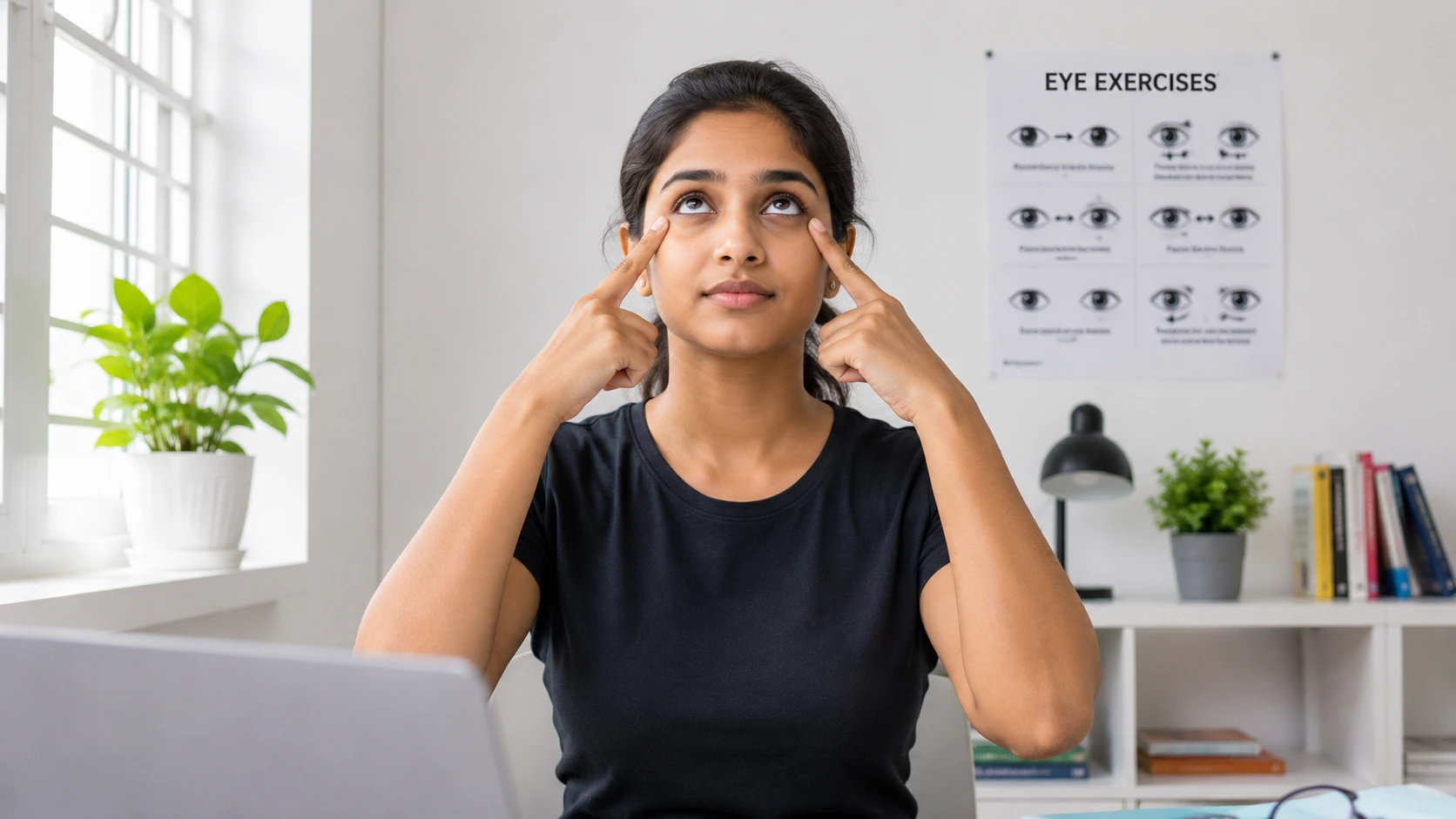
In an age of endless screen time, video calls, and late-night scrolling, our eyes are working harder than ever before. It’s no surprise that phrases like “eye exercises for better vision” and “how to improve eyesight naturally” are trending searches. Social media is flooded with videos claiming that simple eye workouts can eliminate the need for glasses, reverse nearsightedness, or cure cataracts. But how much of this is actually true, and how much is just wishful thinking?
This blog breaks down the science behind eye exercises, what they can realistically do for your vision, what they cannot fix, and when it’s time to stop experimenting at home and consult a qualified ophthalmologist. Whether you’re dealing with digital eye strain, blurry vision, or simply curious about natural ways to protect your eyesight, this guide will help you separate fact from fiction.
It’s important to understand that eye exercises are not a medical treatment in the same sense as glasses, contact lenses, or surgery. They work primarily on the muscular and neurological aspects of vision, not on the structural or refractive issues of the eye.
Where eye exercises genuinely help is in reducing symptoms of digital eye strain, improving focusing flexibility (the ability to shift quickly between near and far objects), and supporting recovery in specific conditions like convergence insufficiency, where the eyes struggle to work together for near tasks. Vision therapy, a structured and supervised form of eye exercises prescribed by specialists, has shown clinical benefit for these particular issues.
However, claims that eye exercises can cure cataracts, glaucoma, or significantly reduce your glasses power are not supported by credible scientific evidence. Such claims are common in unverified online content and should be approached with caution.
●Palming: Rub your palms together to generate warmth, then gently cover closed eyes for 30-60 seconds to relieve tension.
●Blinking Exercises: Deliberate, slow blinking every few seconds helps prevent dryness caused by reduced blink rate during screen use.
●Figure of Eight: Imagine a large figure eight about 10 feet away and trace it with your eyes to improve flexibility.
●Near and Far Focus: Alternate focus between a near object (like your thumb) and a distant object every few seconds.
●Eye Rolling: Slowly roll your eyes clockwise and then counter-clockwise to release tension in the eye muscles.
For patients who need advanced procedures, the clinic is also known as the Best Cataract Surgeon in Pune, offering modern, minimally invasive cataract surgery with faster recovery times. Whether you’re managing routine eye strain or need specialised surgical consultation, an accessible Eye Clinic Near Me with experienced doctors makes all the difference in getting timely, accurate care.
Patients across the city consistently rate this facility among the Best Eye Hospital in Pune for its combination of clinical expertise, modern infrastructure, and compassionate patient support. And when eye strain, blurry vision, or discomfort strikes, having a reliable Eye Specialist Near Me means you don’t have to wait long for expert guidance.
This blog breaks down the science behind eye exercises, what they can realistically do for your vision, what they cannot fix, and when it’s time to stop experimenting at home and consult a qualified ophthalmologist. Whether you’re dealing with digital eye strain, blurry vision, or simply curious about natural ways to protect your eyesight, this guide will help you separate fact from fiction.
What Are Eye Exercises?
Eye exercises are simple movements and focusing techniques designed to relax eye muscles, improve coordination between the eyes, and reduce strain caused by prolonged near work such as reading, computer use, or mobile phone browsing. Common examples include palming, blinking drills, focus shifting, and eye rolling. These techniques have been used for decades in vision therapy programs, particularly for conditions like lazy eye (amblyopia), convergence insufficiency, and eye strain management.It’s important to understand that eye exercises are not a medical treatment in the same sense as glasses, contact lenses, or surgery. They work primarily on the muscular and neurological aspects of vision, not on the structural or refractive issues of the eye.
Why People Are Searching for Eye Exercises
Most people searching for this topic fall into one of a few categories: individuals experiencing digital eye strain who want quick relief without medication, people hoping to reduce their spectacle power naturally, parents looking for ways to support a child’s developing eyesight, and those who simply want to avoid or delay surgery. Understanding this search intent matters because the honest answer isn’t a simple yes or no, it depends on what you’re trying to achieve.Do Eye Exercises Really Improve Vision? The Science
The short answer is: eye exercises can help with certain functional problems, but they cannot correct refractive errors such as myopia (nearsightedness), hyperopia (farsightedness), or astigmatism. These conditions occur because of the shape of the eyeball or cornea, and no amount of muscle exercise can physically reshape that structure.Where eye exercises genuinely help is in reducing symptoms of digital eye strain, improving focusing flexibility (the ability to shift quickly between near and far objects), and supporting recovery in specific conditions like convergence insufficiency, where the eyes struggle to work together for near tasks. Vision therapy, a structured and supervised form of eye exercises prescribed by specialists, has shown clinical benefit for these particular issues.
However, claims that eye exercises can cure cataracts, glaucoma, or significantly reduce your glasses power are not supported by credible scientific evidence. Such claims are common in unverified online content and should be approached with caution.
Types of Eye Exercises You Can Try at Home
●20-20-20 Rule: Every 20 minutes, look at something 20 feet away for 20 seconds to relax focusing muscles during screen work.●Palming: Rub your palms together to generate warmth, then gently cover closed eyes for 30-60 seconds to relieve tension.
●Blinking Exercises: Deliberate, slow blinking every few seconds helps prevent dryness caused by reduced blink rate during screen use.
●Figure of Eight: Imagine a large figure eight about 10 feet away and trace it with your eyes to improve flexibility.
●Near and Far Focus: Alternate focus between a near object (like your thumb) and a distant object every few seconds.
●Eye Rolling: Slowly roll your eyes clockwise and then counter-clockwise to release tension in the eye muscles.
Benefits of Regular Eye Exercises
When practiced consistently, eye exercises can meaningfully reduce symptoms of digital eye strain such as headaches, dryness, and blurred vision after long screen sessions. They can also improve focusing flexibility, support eye coordination in children undergoing vision therapy, and provide a relaxing break during long work hours. For people with mild, occasional eye fatigue, these exercises are a safe, low-cost habit worth adopting alongside good screen hygiene.What Eye Exercises Cannot Do
It’s equally important to know the limits. Eye exercises cannot cure cataracts, cannot lower intraocular pressure in glaucoma, cannot correct significant refractive errors, and cannot replace prescribed glasses, contact lenses, or surgical treatment when medically indicated. Relying solely on exercises while ignoring a genuine eye condition can allow the problem to progress and lead to more serious complications later. If you notice persistent blurry vision, halos around lights, eye pain, or sudden vision changes, these are signs that professional evaluation is necessary, not a sign to try more exercises.Expert Insight
“Eye exercises have a genuine, evidence-backed role in managing digital eye strain and certain focusing disorders, but they are not a substitute for a comprehensive eye examination. At Axis Eye Clinic, we often see patients who delayed necessary treatment because they relied only on home remedies. My advice is simple: use eye exercises as a supportive daily habit, but get your eyes professionally checked at least once a year,” says Dr. Ramesh Murthy.When Should You See an Eye Specialist?
If you experience frequent headaches, blurred or double vision, difficulty seeing at night, eye pain, redness that doesn’t resolve, or a sudden change in your prescription, it’s time to consult a professional rather than continue with self-guided exercises. Early diagnosis of conditions like glaucoma, cataracts, or retinal issues makes a significant difference in treatment outcomes. If you’ve been searching for the Best Eye Specialist in Pune, a thorough clinical examination is always the safest first step before deciding on any home-based vision routine.Why Patients in Pune Trust Axis Eye Clinic
Choosing the right care partner matters as much as the treatment itself. Recognised as the Best Eye Clinic in Pune, Axis Eye Clinic combines advanced diagnostic technology with personalised, patient-first care. Led by Dr. Ramesh Murthy, the clinic is regarded among the Best Ophthalmologists Near Me in Pune for comprehensive eye evaluations, digital eye strain management, and surgical care.For patients who need advanced procedures, the clinic is also known as the Best Cataract Surgeon in Pune, offering modern, minimally invasive cataract surgery with faster recovery times. Whether you’re managing routine eye strain or need specialised surgical consultation, an accessible Eye Clinic Near Me with experienced doctors makes all the difference in getting timely, accurate care.
Patients across the city consistently rate this facility among the Best Eye Hospital in Pune for its combination of clinical expertise, modern infrastructure, and compassionate patient support. And when eye strain, blurry vision, or discomfort strikes, having a reliable Eye Specialist Near Me means you don’t have to wait long for expert guidance.